Redi Carpet
OVERVIEW
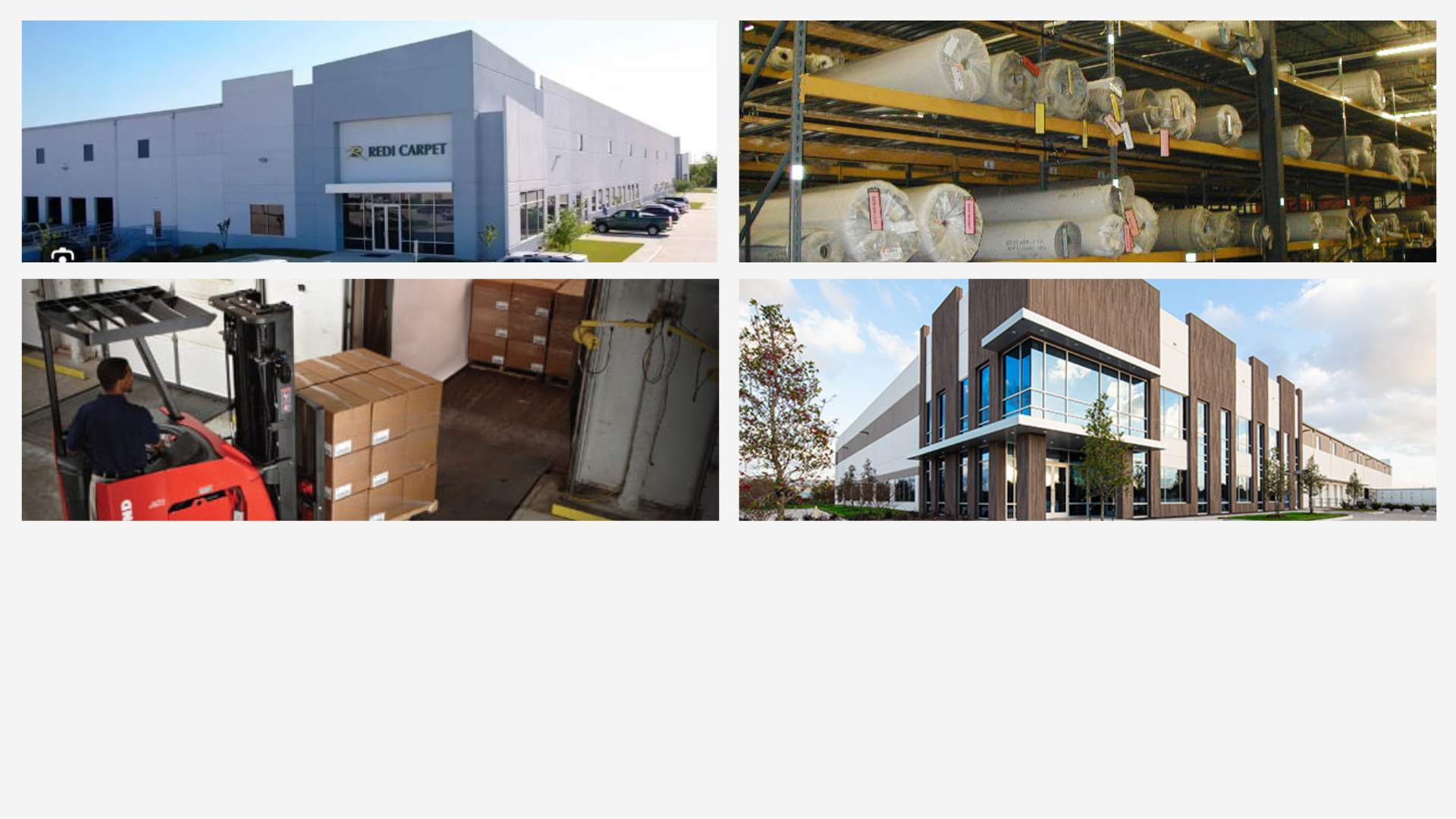
Redi-Carpet, Inc. was a privately held flooring company founded in 1981 and specialized in the multifamily client sector. When I began representing them in 1996, they had 13 locations and were in the process of expanding nationally, fueled by the acquisition of smaller companies. Our first assignment was the relocation of their Dallas and San Antonio facilities. We then relocated their HQ to a new development in the Houston area accompanied by the sale of the facility owned by one of the founders. As a result of the exceptional results obtained with those negotiations, the relationship developed into a collaborative effort with Redi Carpet’s leadership to establish facility requirement and documentation standards that would assist them in improving the profitability of the company through the reduction of their operating overhead. Our portfolio management efforts were focused on how to better understand their facility needs so we could relocate them from lesser efficient facilities into those that more closely met their racking and shipping and receiving requirements. This resulted in lower operating costs, more productive shipping and receiving arrangements, and a more profitable facility model. This coupled with our experienced negotiating team and beginning our market assessment at least 12 months prior to the expiration of any of their leases, allowed us to identify those facilities that were best suited for them as options to consider when assessing the terms of any renewal options being considered. Again, implementing strategies contributing to Redi Carpet’s lower operating costs and improving their profitability further. Within the 25 years we have represented Redi Carpet, they went from 13 locations to 37+ locations and sold for ± ½ a billion dollars when purchased by The Home Depot on July 31, 2023. For more details regarding this acquisition, you can click on this link below to read an article that explains the impact of this acquisition in the Flooring World. More information is also available at www.redicarpet.com.
CHALLENGE
Specialized facility needs that were a-typical based on industrial facility standards for their smaller warehouse model.
• Warehouse: Facility size in many markets starting at 8,000 SF for a new market requirement and 16,000 SF for an established market, which presented a challenge finding suitable options in almost every market across the country for the following reasons.
o Office requirement: 10% or larger percentage of office space (Developers typically plan for 5% - 7% of office space requiring the addition of office space in many cases for second generation spaces, which is likely not provided for in their leasing budget.)
o Column Spacing: Their need for column spacing of 50’ x 50’ for maximum efficiency to accommodate their 25’ isles spacing for their racking configuration is a challenge, since newer buildings are larger and have bays of 10,000 SF or more. When we look to older buildings for the smaller spaces, the column spacing is likely 35’-44’, which reduces the racking configuration efficiency by as much as 25%.
o Ceiling Clear Height: Again, a minimum clear height of 22’ allows them to stack 5 racks high, which is the most efficient height for their use given they do not use the more expensive forklifts that operate at the higher level as a part of their cost saving strategy.
o Dumpster & Trailer Storage: We include remote dumpster & trailer storage as a part of the facility criteria to avoid the need for larger spaces to get the additional dock doors needed to accommodate the storage of their dumpster & trailer storage.
o Lease Term Lengths: Negotiating longer or shorter lease terms based on market conditions in order to sustain lower overall rental costs for the long term when compared to its competitors.
o Establishing Collaborative Relationships between Landlord & Tenant: Sharing our client’s future facility requirements with national and regional landlords in order to identify facility options that may be available when our existing leases are scheduled to expire so that we are able to begin negotiations for such options before they are presented to the market. This strategy has provided leasing opportunities in markets with vacancy levels below 5% creating a shortage of options not already entertaining multiple proposals.
RESULTS
Redi Carpet’s original success came as a result of its unique concept of offering next day flooring installation to the owner and 3rd party management companies in the multifamily industry. They also offer a variety of special customer services, creative marketing concepts, and value-added products. During the past three decades, Redi Carpet has expanded their market presence to become one of the most profitable suppliers of flooring to the multifamily industry. Redi Carpet is recognized as one of the 10 top flooring companies in the United States ranked by dollar volume. Redi Carpet currently employs over 500 people in 37 cities and 29 states in their locations across the US and is expanding. More information is available at www.redicarpet.com.